
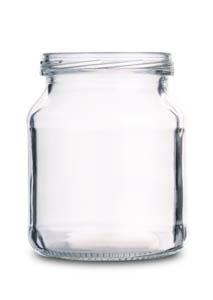
Glass is one of the best materials you can recycle. It’s made from natural ingredients, can be recycled again and again without losing quality, and is accepted by most curbside recycling programs.
In a world filled with disposable packaging, glass offers something rare—a circular life cycle. Choosing glass and recycling it right helps conserve natural resources, reduce landfill waste, and support local recycling programs. Here’s how.
The Power of Glass: Infinitely Recyclable
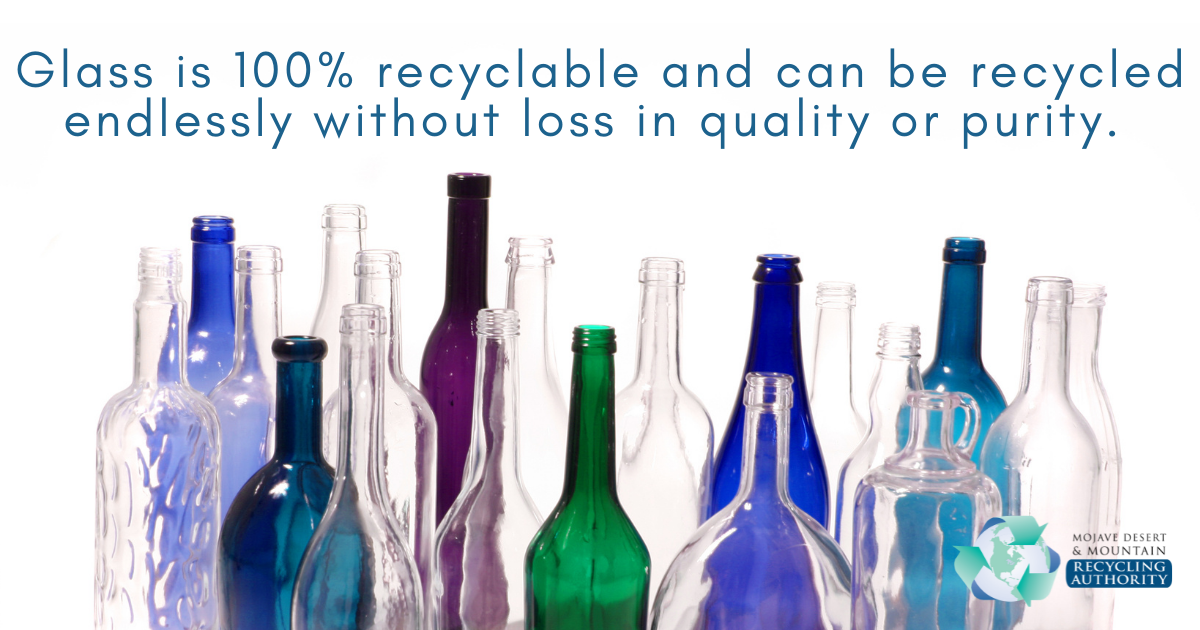
Unlike many materials, glass can become a new bottle or jar again and again without losing quality.
That means a wine bottle you recycle today could become a juice jar next month, and a salsa jar the month after that.
When we choose glass, we’re choosing a material that never has to become waste.
What Glass Belongs in Your Recycling Cart?
Glass is one of the most recyclable materials out there—but only some types of glass are accepted in your curbside cart. The key is knowing which kinds can be processed by your local facility.
Here’s a simple guide to help you recycle right.
Recycling These
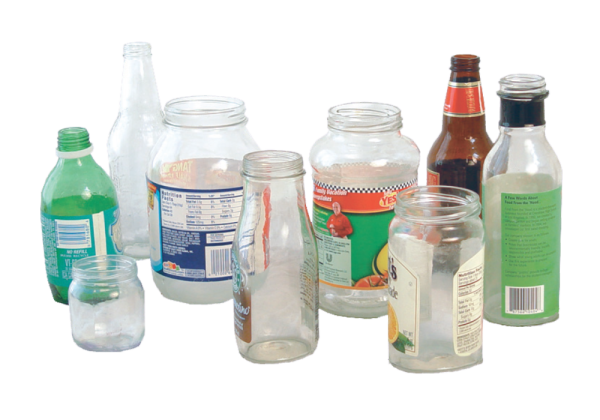
- Clear or colored bottles and jars
- Wine, beer, and soda bottles
- Jam, pasta sauce, and condiment jars
Recycling Tips
- Clean, dry, and free of food waste
- Remove lids
- Learn how to get a refund on eligible containers
Keep This Glass Out Of The Cart
Even though all these items are made of glass, they’re designed differently and melt at different temperatures, which makes them unrecyclable in the same system as bottles and jars.
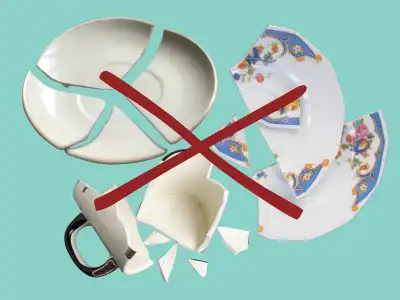
Ceramics and dishes – Coffee mugs, plates, and cookware have different melting points and can contaminate the recycling stream
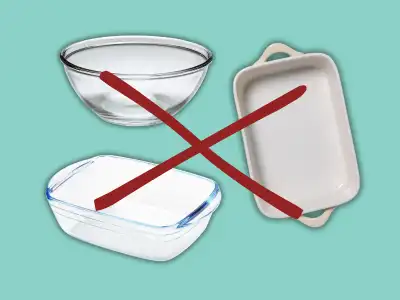
Pyrex and tempered glass – Found in baking dishes and glassware, these are chemically treated and don’t melt like bottle glass
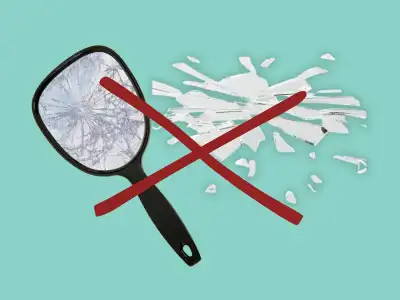
Window glass and mirrors – Often contain coatings or other materials that make them unrecyclable
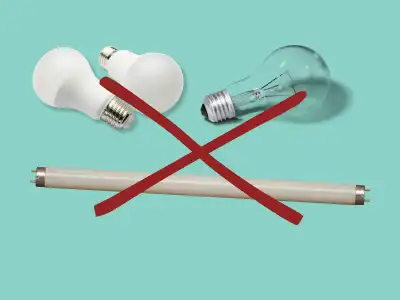
Light bulbs – Contain metal, mercury, or other components. Take these to a HHW Facility.
How Glass is Recycled
From your curbside cart to a new bottle, here’s what happens next.
- Delivered to a Materials Recovery Facility (MRF): Your mixed recyclables—including glass—are sorted using machines and trained staff.
- Glass is separated by screens and broken into cullet: Cullet is small, clean pieces of recycled glass, which are then cleaned further to remove labels, caps, and contamination.
- Sorted by color when possible: Clear, green, and brown glass are separated to maintain the color quality of new containers.
- Shipped to a glass processor or manufacturer: The cullet is melted down at high temperatures and molded into brand-new bottles, jars, or fiberglass insulation.
This entire cycle can happen in just 30–60 days!
The best part? This process can happen over and over again because glass can be recycled indefinitely without losing quality. Using recycled glass also saves raw materials, reduces energy use, and keeps valuable material out of the landfill.
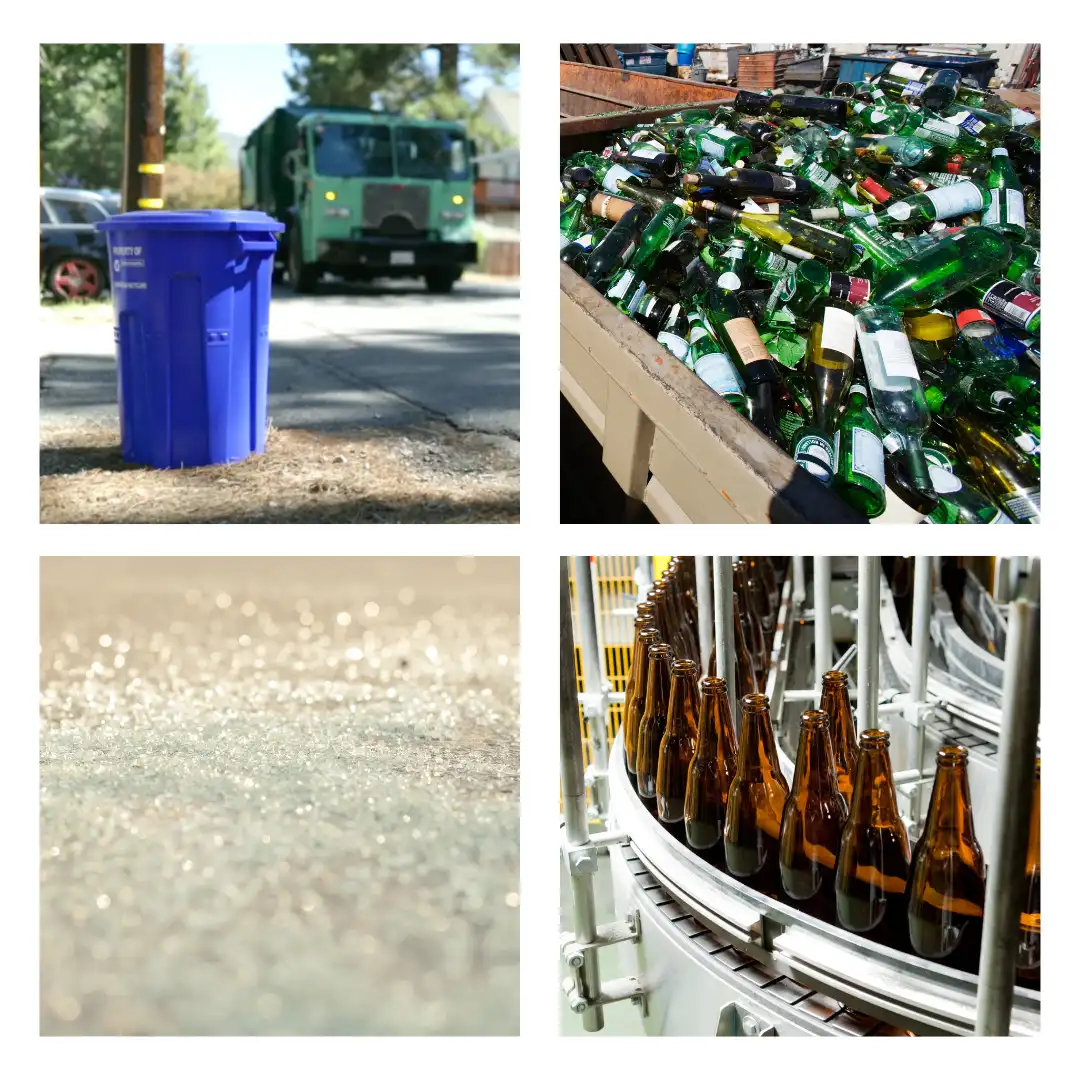
Curious what happens after your recyclables are picked up locally?
Watch this short video to see how materials from our High Desert and Mountain communities are sorted and prepared for recycling at the Victor Valley Materials Recovery Facility (MRF).
Why Clean Glass Matters
Before your glass can be transformed into something new, it must be free from food, liquids, and other materials. That’s because greasy or sticky jars attract pests and can contaminate the cullet, making it less useful—or even unusable—for manufacturers.
A quick rinse or wipe before you toss your bottles and jars in the cart helps ensure they’re truly recycled.
Why Recycling Glass Matters
You’ve learned how glass is recycled. But why does it matter?
Recycling glass reduces the need to extract raw materials like sand, soda ash, and limestone, helping preserve natural landscapes and conserve resources. Manufacturing new bottles from recycled glass (called cullet) also uses about 30% less energy than making them from raw materials, resulting in fewer greenhouse gas emissions and less air and water pollution.
Because glass can be recycled over and over without losing quality, every bottle and jar you recycle helps keep valuable materials in use and out of the landfill.
In our Mojave Desert and Mountain communities most of your glass is collected by local haulers and processed through the Victor Valley MRF. From there, it’s sent to domestic facilities that specialize in turning clean glass into new products.
Recycling glass also supports:
- Local jobs in sorting and manufacturing
- About 30% less energy than making new glass from raw materials
- Reduced air and water pollution
- Fewer materials sent to landfill
What Can Recycled Glass Become?
- New glass containers (bottles, jars, vials)
- Fiberglass insulation for homes and buildings
- Reflective beads in traffic paint
- Sand replacement in construction or landscaping
- Tile and countertops made from crushed recycled glass
Recycle for Cash: California CRV
Every time you purchase an eligible glass, aluminum, bimetal and plastic containers beverage container from a retailer in California, you pay a nickel, dime or quarter deposit on that container. The California Redemption Value, or CRV, is the deposit return system that allows you to return those empty beverage containers to a recycling location to get back the deposit you paid.
Choose Glass Whenever You Can
Glass is durable, non-toxic, and reusable. Whenever you have a choice, consider choosing products packaged in glass. It’s often the more sustainable option in both the short and long term.
Simple swaps that make a difference:
- Opt for glass jars instead of plastic tubs for sauces, condiments, or snacks
- Buy beverages in glass bottles—especially when local brands offer refillable options
- Reuse jars at home for pantry storage, crafts, or leftovers
- Support brands that use recycled content in their glass packaging
The Bottom Line: Glass Is Worth It
Recycling glass takes a little effort—like rinsing containers and removing caps—but the payoff is big. You’re keeping a valuable material in use, reducing your environmental impact, and helping your local recycling system succeed.
Want to know exactly what’s accepted in your area? Visit our What to Recycle page or contact your local hauler for specifics.
When we choose and recycle glass, we’re making a smart, sustainable choice for our planet and our communities.