Mojave Desert and Mountain Recycling Logo

CAN I RECYCLE THIS?

Learn what is recyclable and how to properly recycle in the High Desert and Mountain area.

Can I Recycle This?

Learn what is recyclable and how to properly recycle in the High Desert area.

WHAT TO RECYCLE

This video explains what you can recycle in your curbside recycling bin in the San Bernardino County Desert and Mountain communities. 

Recyclables Accepted Curbside

There are four main categories of items that can be recycled in most curbside recycling programs or dropped off at a local recycling facility: Paper, Glass, Metal and Plastic. It’s important to follow your town or county’s recycling rules, check with your hauler to make sure you’re recycling right.

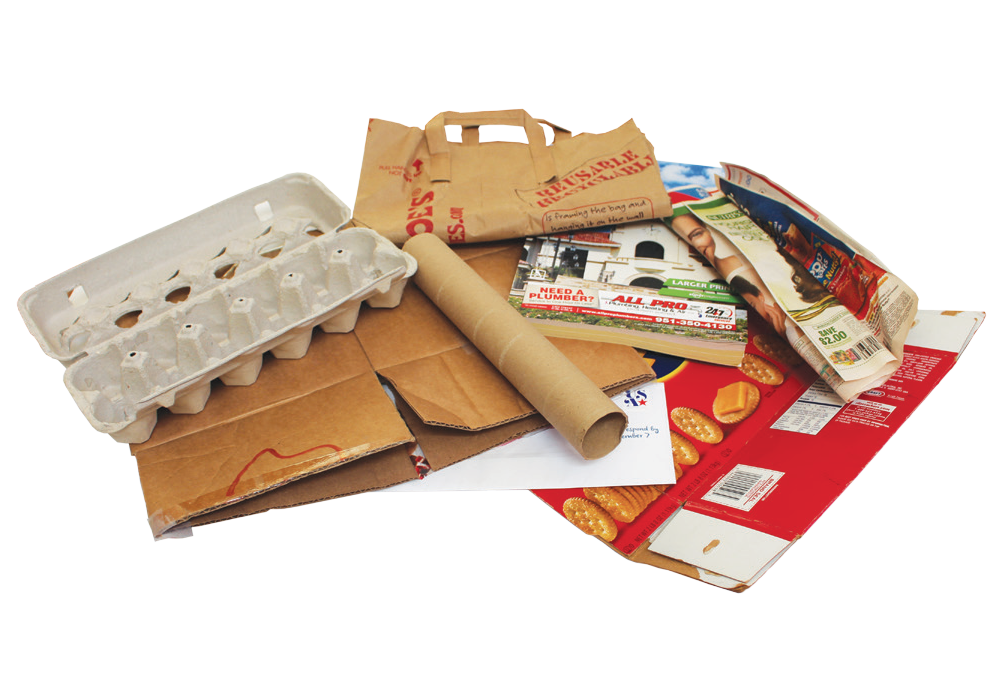
Paper and Cardboard

Recycling Tips

Paper and Cardboard

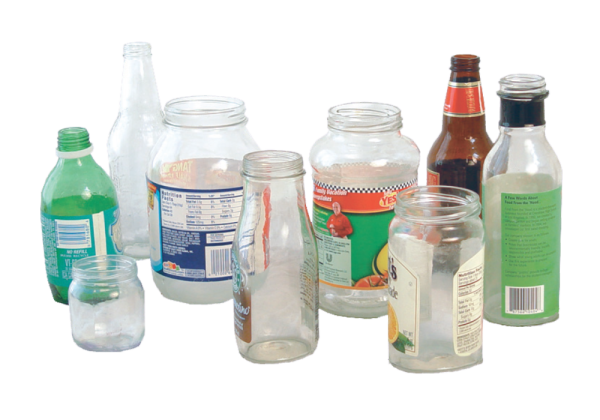
Glass Bottles & Jars

Recycling Tips

Glass Containers for Recycling

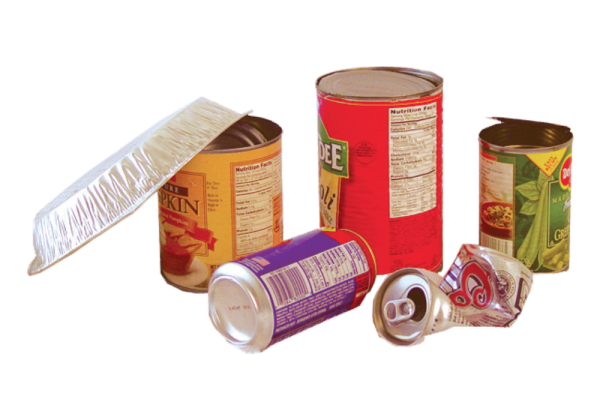
Metal & Aluminum Cans and Trays 

Recycling Tips

  • Clean, dry, and free of food waste
  • Aerosol cans must be empty of pressure and product
Metal Cans for Recycling

Plastic Bottles & Containers

Recycling Tips

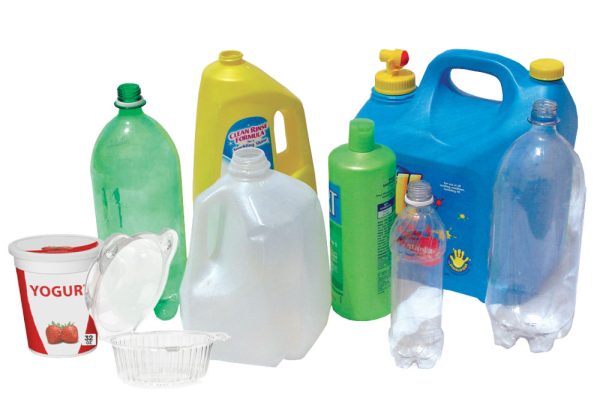
Image: Recyclable plastic bottles, jugs, and tubs
Want to learn more about the plastic recycling process? Check out Why Plastic Recycling Isn’t So Simple.

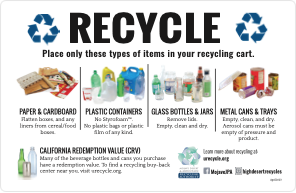
Download our Recycle Flyer

Download our handy printable flyer and post it on your refrigerator or near your recycling bins to remind everyone about what belongs there.

To see more printable posters and flyers, visit our Posters page.

Recyclables Not Accepted Curbside

Below are items that can (and should) be recycled, but are not accepted in most curbside recycling programs, therefore you will need to make special arrangements for proper recycling.

Plastic Bags

Plastic bags and plastic film wrap
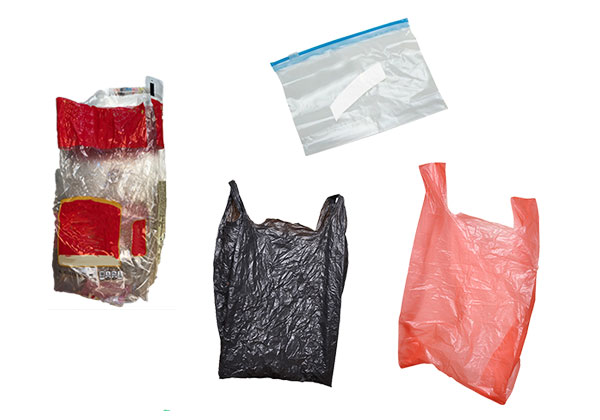
Examples of plastic bags for recyclingSoft, flexible plastic film packaging such as grocery, bread, zip-top and dry cleaning bags or the wrap around such products as paper plates, napkins, and bathroom tissue CAN be recycled, but not in your curbside recycling program.

Plastic bags are rapidly becoming the widest-spread litter issue in America. Because of their composition and extremely light weight, plastic bags and film plastic require special handling. Most materials recovery facilities, or MRFs, aren’t equipped to handle them. When tossed in a trashcan, the bags frequently escape and are blown about by the smallest breeze. Occasionally, the bags are even blown out of trash disposal trucks.

In order to keep plastic bags from cluttering streets, clinging to the Joshua trees, and jamming up recycling equipment in the MRF, take them back to the grocery store for proper recycling by the manufacturers.

If you can’t find a store that accept plastic bags, please call 1-888-URECYCLE or use the button below to find a nearby drop off location.

Single-Use Plastic Bag Ban

In November of 2016, California voters upheld the nation’s first statewide ban on single-use plastic bags (Single-Use Carryout Bags SB 270), aligning state law with ordinances passed by a growing number of local governments in California to reduce plastic waste.

As a result, most grocery stores, retail stores with a pharmacy, convenience stores, food marts, and liquor stores are no longer able to provide single-use plastic carry-out bags. Instead, these stores may provide a reusable grocery bag or recycled paper bag to a customer at the point of sale at a charge of at least 10 cents.

California recently strengthened its stance on plastic bags by signing Senate Bill 1053 (Blakespear, 2024) which will ban all plastic bags from grocery and retail stores by 2026. Beginning January 1, 2026, stores will only be allowed to distribute recycled carryout paper bags to customers at checkout counters, self-checkout kiosks, instore pickup, curbside delivery, and home delivery for a minimum charge of ten cents ($0.10) per bag. In 2028, recycled paper bags distributed at stores will be required to contain at least 50% post consumer recycled materials.

What Can You Do to Avoid Plastic Bags

  • Reuse your reusable or paper bags.
  • It’s okay not to take a bag if you are only buying a single item.
  • Use a fabric bag. They are stronger than thin plastic (or paper) bags, and reusable hundreds of times. Remember to wash fabric bags regularly. Take them with you when you shop.
  • Paper bags are easily recyclable in your curbside program. 
  • Take single use plastic bags back to the store. Use them again if they are not torn. When a bag is torn or worn out, recycle it in the store’s container.

E-Waste

Televisions, Computers, Cell Phones and Electronics

Ask your retailer for recycling options or drop these items off at your local Household Hazardous Waste (HHW) Collection Facility or drop off location. There are 14 Household Hazardous Waste Collection Facilities throughout San Bernardino County all run by the San Bernardino County Fire Department.

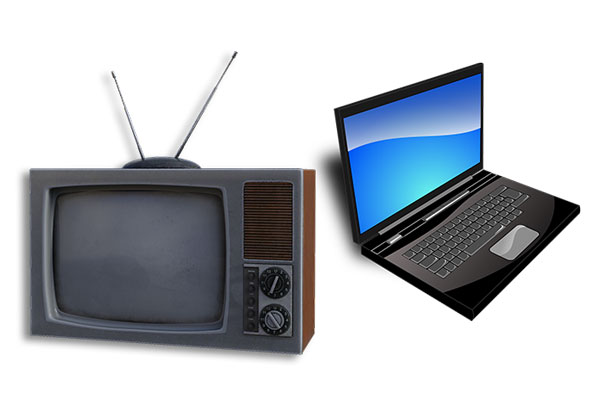
TV and laptop example of E-Waste Recycling

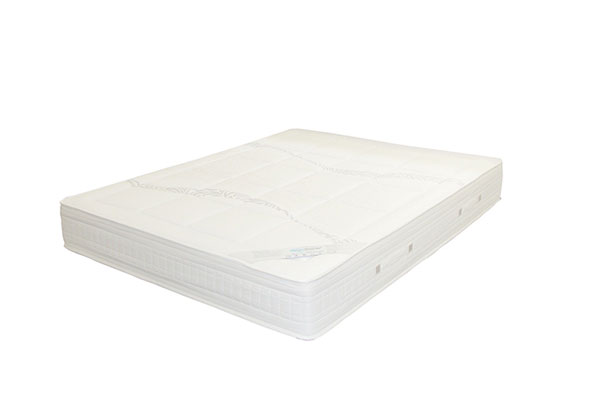
Mattresses

Don’t trash that mattress!

Many of the cities in our area provide municipal pickup services to remove bulky waste – including mattresses – from your home.

Follow the link below to visit the Mattress Recycling Council’s site (Bye Bye Mattress) where they provide a list of local municipal pickup providers in the High Desert area. 

A mattress for recycling

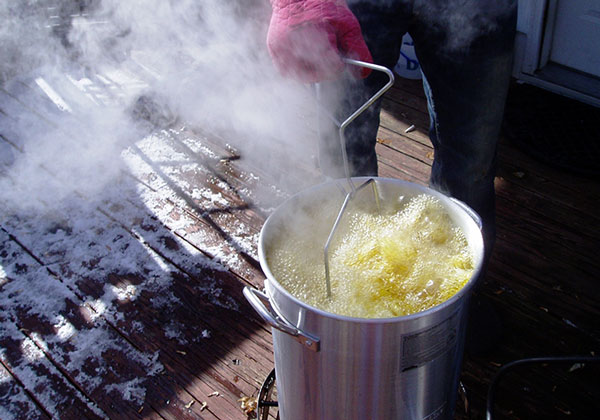
Frying Oil

Deep fried turkey tastes great, but what do you do with all that leftover oil? Don’t put it down your drain or in your trash, instead take it to the household hazardous waste drop off facility.

Recycling Frying Oil

Paint

You can take your unused paint to your nearest household hazardous waste drop off facility. Most locations accept all paints, thinners, and other solvents. Be sure to call first because a few locations only accept latex paint.

California’s PaintCare program is an industry sponsored product stewardship solution to properly manage leftover consumer paint. You can bring leftover paint to one of these participating locations. Please call first to assure they have storage capacity.

Recycling Paint

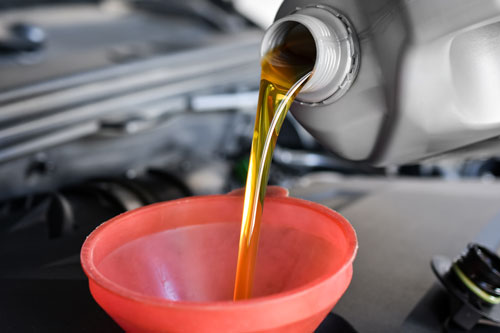
Motor Oil

Did you know that used motor oil never wears out? It just gets dirty and can be recycled, cleaned, and used again. Recycling used motor oil conserves a natural resource (oil) and is good for the environment too!

Motor oil poured onto the ground or into storm drains, or tossed into trash cans (even in a sealed container) can contaminate and pollute the soil, groundwater, streams, and rivers. Recycling your used motor oil reduces this pollution threat.

When you take your used oil to a certified center for recycling, you are protecting the environment, conserving a valuable resource, and getting paid for it. That’s a winning combination!

Motor Oil Recycling

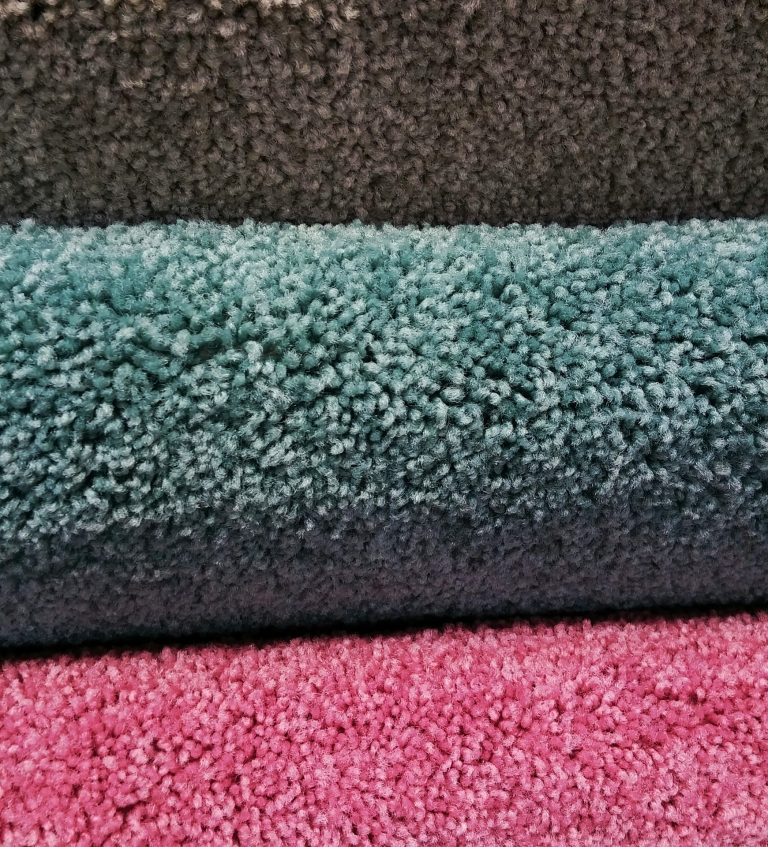
Carpet

Doing some remodeling? Remember to recycle carpet and carpet padding. 

The best place to start is by asking your retailer about recycling options. 

You can also find drop-off locations from the Carpet America Recovery Effort (CARE)  site. CARE is the manufacturers’ stewardship organization dedicated to increasing landfill diversion and recycling of post-consumer carpet. 

The CARE California Drop-off Site map at the button below will help you find a place to take your old carpet to be recycled. Enter a drop-off site’s name, city or zip code, or simply zoom into your location on the map to find the best site for you.

CalRecycle has helpful information for consumers, retailers and manufacturers on their Carpet Materials Management page.

Carpet for recycling

Find Your Hauler

The best place to start for information about your local curbside recycling service is to contact your hauler.

Would you like to receive our recycling and sustainability newsletter?

  • This field is for validation purposes and should be left unchanged.

Copyright © 2025 Mojave Desert & Mountain Recycling Authority. All Rights Reserved.